
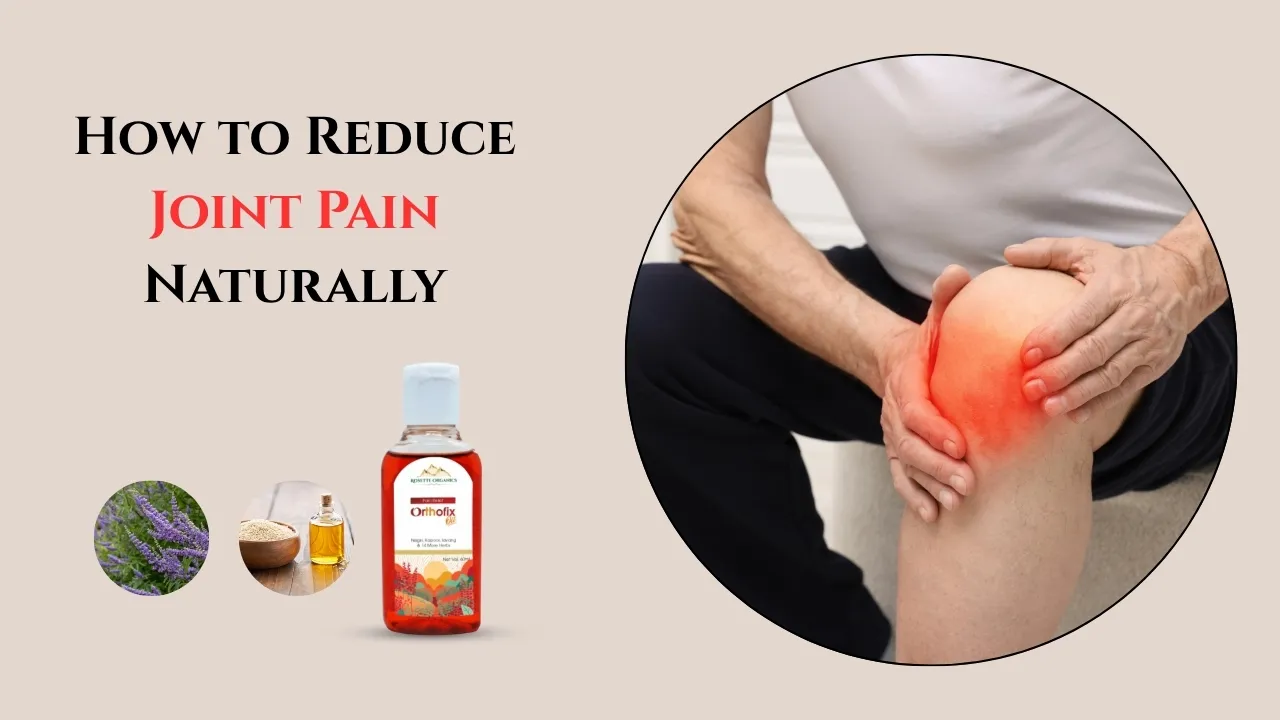
Joint pain has quietly become a part of modern life. Long sitting hours, poor posture, lack of movement, and daily stress are putting constant pressure on our joints. Whether it’s stiffness in the knees, discomfort in the back, or pain in the shoulders, many people now deal with it every day.
The problem is, quick fixes like painkillers often give only temporary relief. What people really need is a natural and sustainable way to manage this issue. In this step-by-step guide, you will learn how to reduce joint pain naturally using simple lifestyle changes, diet, movement, and traditional Ayurvedic support.
What Causes Joint Pain
Joint pain does not happen suddenly without a reason. In most cases, it is the result of ongoing stress inside the body, especially linked to inflammation and poor joint care habits. Understanding the root cause helps in choosing the right natural solution instead of just masking the pain.
Common causes of joint pain:
- Inflammation (main root): When the body stays in an inflamed state, it directly affects joints, leading to pain, swelling, and long-term discomfort.
- Arthritis (OA / RA): Conditions like osteoarthritis (wear and tear of joints) and rheumatoid arthritis (autoimmune issue) are major reasons behind chronic joint stiffness and musculoskeletal pain.
- Injury or poor posture: Sitting for long hours, or past injuries can slowly damage joint alignment and create continuous strain.
- High uric acid levels: Excess uric acid can form crystals in joints, causing sharp pain, especially in areas like the knees and toes.
In most cases, joint pain is not caused by a single factor but a combination of these issues working together over time.
Common Symptoms of Joint Pain
- Swelling around joints: Visible or internal swelling caused by inflammation, often making the area feel warm or tender to touch.
- Joint stiffness: Difficulty in moving joints, especially after waking up or sitting for long periods, a common sign of reduced flexibility.
- Limited movement: Restricted range of motion where simple actions like bending, walking, or lifting become uncomfortable.
- Chronic pain: Long-term discomfort that stays for weeks or months, usually linked with conditions like arthritis or ongoing inflammation.
- Sudden pain: Sharp, immediate pain that can occur due to injury, uric acid buildup, or temporary strain on the joint.
Step-by-Step Natural Ways to Manage Joint Pain
Step 1 – Remove Inflammatory Triggers
- Junk food and fried items.
- Excess sugar and sugary drinks.
- Sedentary lifestyle (long sitting hours).
Joint pain often begins with hidden inflammation inside the body. Eating processed foods, consuming too much sugar, and staying inactive for long periods can increase inflammatory markers and worsen musculoskeletal pain. Reducing these triggers is the first and most important step. Even small changes like cutting down packaged food and adding daily movement can help lower inflammation and ease joint stiffness over time.
Step 2 – Follow Anti-Inflammatory Diet
| Eat | Avoid |
|---|---|
| Fruits & vegetables | Processed food |
| Omega-3 rich foods | Sugar |
A balanced diet plays a key role in managing joint health. Foods rich in antioxidants help fight inflammation, while omega-3 fatty acids support joint lubrication and reduce pain signals. A poor diet, on the other hand, can increase markers like CRP, which is linked to inflammation and joint discomfort. Keeping your meals simple and natural can make a noticeable difference.
Step 3 – Daily Exercises & Movement
- Walking for 15–20 minutes.
- Light stretching exercises.
- Yoga for flexibility and balance.
Movement is essential for healthy joints. The idea that “motion is lotion” fits perfectly here—regular movement helps keep joints flexible and reduces stiffness. You don’t need intense workouts; simple daily activity is enough to improve blood flow and support joint function.
Step 4 – Use Natural Supplements
Natural ingredients have long supported joint health. Herbs like turmeric, ashwagandha, and guggul help reduce inflammation and improve mobility. In some cases, people also consider herbal supplements for joint pain that combine these ingredients to support internal healing and manage discomfort naturally over time.
Step 5 – Apply External Relief (Oil)
Using a pain relief oil can provide quick comfort, especially for stiffness and localized pain. Regular application helps relax muscles and improve blood flow to the affected area.
- Improves circulation in joints
- Helps reduce stiffness and tightness
Step 6 – Strengthen Bones & Recovery
Long-term joint health also depends on strong bones and proper recovery. Ingredients like hadjod and shilajit are traditionally used to support bone strength and healing. In some cases, people also consider natural bone strengthening supplements to support recovery from within and improve overall joint stability over time.
Simple Tips for Common Joint Pain Areas
Knee Pain
- Avoid putting too much pressure on the knees by limiting long standing or excessive stair use.
- Focus on light exercises like walking and gentle stretching to improve flexibility and support joint movement.
- Maintaining a healthy weight can reduce stress on knee joints and help manage pain better.
Back Pain
- Sit with proper posture and use back support, especially if you work long hours at a desk.
- Take short breaks to stretch your back and avoid staying in one position for too long.
- Strengthening core muscles through simple exercises can help reduce strain on the lower back.

Shoulder Pain
- Avoid sudden heavy lifting and repetitive movements that strain the shoulder joint.
- Practice slow shoulder rotations and stretching to improve mobility and reduce stiffness.
- Applying gentle massage or heat can help relax tight muscles and ease discomfort.
Home Remedies for Joint Pain
- Hot and cold therapy: Applying heat helps relax tight muscles and improve blood flow, while cold compress can reduce swelling and numb sharp pain.
- Massage: Gentle massage around the affected joint supports circulation and helps release muscle tension, making movement easier.
- Turmeric milk: Drinking warm turmeric milk regularly provides natural anti-inflammatory support due to its active compound, curcumin.
- Herbal oil massage: Using herbal oils for daily massage can soothe stiffness and promote better joint flexibility over time.
Simple home remedies can be very effective when practiced consistently. These methods focus on reducing inflammation, improving circulation, and supporting natural healing without putting stress on the body. While they may not give instant results, regular use can help manage joint pain in a safe and natural way.
Lifestyle Changes That Make a Real Difference
- Sleep quality: Poor sleep can increase inflammation and make pain feel worse. Aim for 7–8 hours of restful sleep to support joint recovery and reduce discomfort.
- Stress management: High stress levels can trigger inflammatory responses in the body. Simple practices like deep breathing, meditation, or short walks can help calm the system and ease pain signals.
- Healthy weight: Extra body weight puts constant pressure on joints, especially knees and hips. Maintaining a balanced weight reduces strain and helps improve mobility over time.
Final Verdict
Managing joint pain naturally is not about one quick fix but a combination of the right steps followed consistently. By reducing inflammation, improving diet, staying active, and using supportive natural methods, the body gradually starts to recover and function better. Simple habits like daily movement, balanced nutrition, and regular care for joints can make a noticeable difference over time. Natural approaches work best when you stay consistent and patient, allowing your body to heal and strengthen in a steady and sustainable way.
FAQs
Q1: What is the main cause of joint pain?
Ans: The main cause of joint pain is inflammation inside the body, often linked to lifestyle, arthritis, injury, or poor diet. Over time, this leads to stiffness and discomfort in joints.
Q2: What is the best remedy for joint pain?
Ans: The best remedy is a combination of diet, movement, and natural care like exercise, anti-inflammatory foods, and regular joint support practices.
Q3: Which vitamin is good for joint pain?
Ans: Vitamins like Vitamin D, Vitamin C, and Vitamin K help support bone strength and reduce inflammation, improving overall joint health.
Q4: How do you get rid of joint pain naturally?
Ans: You can reduce joint pain naturally by improving diet, staying active, managing weight, and using natural remedies that support inflammation control.
Q5: Can I live a normal life with arthritis?
Ans: Yes, with proper care, lifestyle changes, and consistent joint support, many people manage arthritis and continue to live a normal, active life.
Q6: How can I lubricate my joints naturally?
Ans: Staying hydrated, eating healthy fats like omega-3, and regular movement help maintain natural joint lubrication and flexibility.
Q7: How long does it take for joint pain to go away?
Ans: Mild joint pain may improve in a few days, while chronic conditions can take weeks of consistent care and lifestyle changes to show results.
Q8: How do I know if joint pain is serious?
Ans: If the pain is severe, long-lasting, or comes with swelling, redness, or limited movement, it is important to consult a doctor.
Q9: What foods should I avoid if I have joint pain?
Ans: Avoid processed foods, sugar, and refined carbs as they can increase inflammation and worsen joint pain over time.