
What is Acidity?
Acidity is a common digestive condition where there is an excess production of stomach acid. This stomach acid is normally needed to break down food, but when it becomes too much or moves in the wrong direction, it creates a digestive imbalance. As a result, people may experience acid reflux, where the acid flows back toward the food pipe instead of staying in the stomach.
This often leads to a burning sensation in the chest, commonly known as heartburn. The discomfort can also feel like heaviness, irritation, or a sour taste in the mouth. In simple terms, the acidity meaning is linked to how well your digestive system is handling food and maintaining the right acid levels in the stomach.
Common Causes of Acidity
Dietary causes
- Spicy and oily food can act as strong acidity triggers and disturb normal digestion.
- Eating large portions at once puts pressure on the stomach and leads to excess stomach acid.
- Frequent intake of caffeine (tea, coffee, energy drinks) increases acid production.
- Processed and junk food contribute to poor digestion and long-term digestive imbalance.
Lifestyle causes
- Irregular meals or skipping meals can disrupt the natural digestive cycle.
- Eating late at night or lying down right after meals can trigger acid reflux.
- High stress levels affect how the stomach processes food and increase acidity.
- Lack of physical activity slows digestion and supports unhealthy eating habits.
These causes of acidity are mostly linked to daily routine, and even small changes can help reduce these common acidity triggers.
How to Reduce Acidity Naturally
Quick Relief Tips
When acidity starts suddenly, simple actions can help reduce discomfort quickly. These steps are often used for instant acidity relief and can provide quick relief for acidity without making things worse.
- Drink a glass of plain or lukewarm water to help dilute excess stomach acid.
- Avoid lying down immediately, as this can worsen acid reflux and increase the burning sensation.
- Stay upright and give your body time to settle digestion.
- Avoid heavy or oily meals during this time, as they can increase pressure on the stomach.
- Take slow, deep breaths to reduce stress, which can also trigger acidity.
These small steps are helpful when you want to reduce acidity immediately and manage symptoms before they become more uncomfortable.
Daily Habits for Long-Term Relief
For lasting digestion improvement, it is important to focus on daily habits. These simple changes act as natural acidity home remedies and help reduce acidity naturally over time.
- Eat meals on time to maintain a consistent digestive rhythm.
- Prefer smaller, frequent meals instead of large portions to avoid excess acid production.
- Identify and avoid personal triggers such as spicy food, caffeine, or processed items.
- Chew food properly to support better digestion and reduce strain on the stomach.
- Include light and balanced meals that are easier to digest.
- Stay hydrated throughout the day to support overall digestive function.
Following these habits regularly helps maintain a healthy digestive system and reduces the chances of repeated acidity issues.
Best Natural Ingredients for Acidity Relief
Natural remedies for acidity often focus on time-tested ayurvedic ingredients that support digestion and help maintain balance in the stomach. These herbal remedies work gently and are commonly used for long-term digestion support rather than quick suppression.
Amla
Amla is widely known for its cooling properties and is often used to balance excess stomach acid. It supports digestion and helps maintain a healthy digestive lining.
Haritaki
Haritaki is traditionally used in Ayurveda to improve gut function. It supports bowel regularity and helps reduce digestive imbalance linked to acidity.
Ginger
Ginger helps stimulate digestion and reduce bloating. It is commonly used to ease discomfort and support smoother digestion.
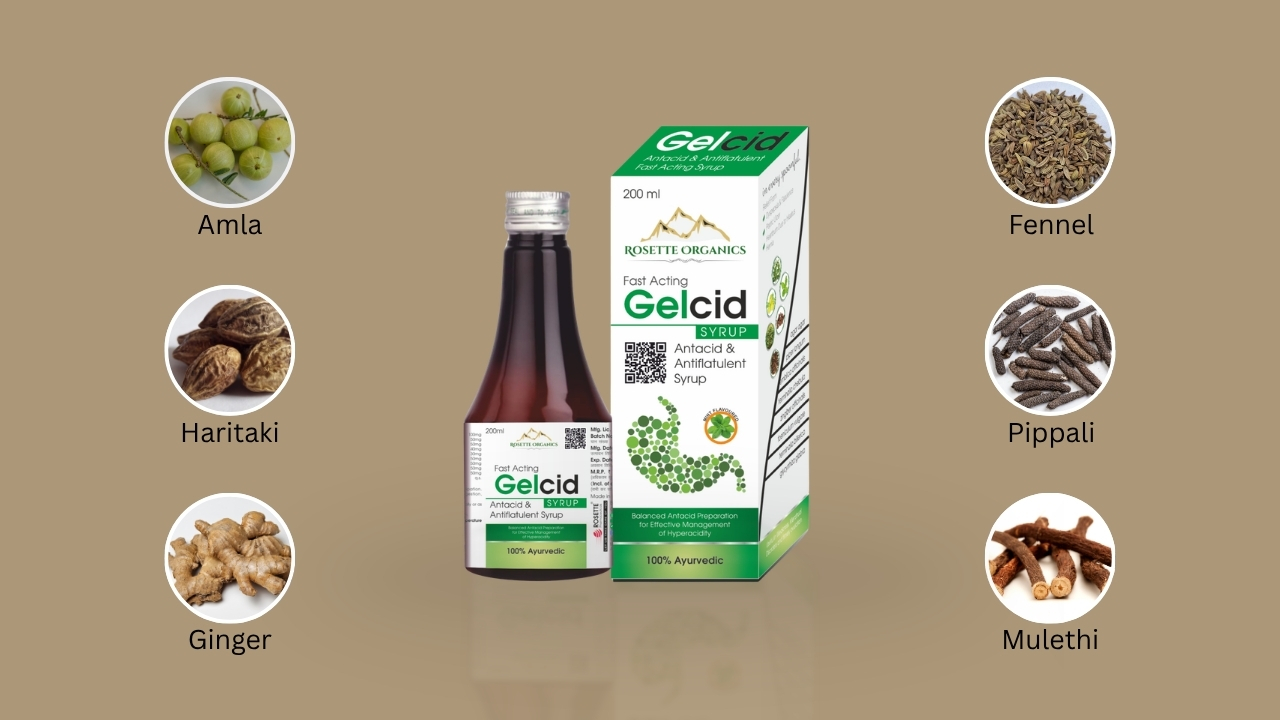
Fennel
Fennel seeds are known for their soothing effect on the stomach. They help reduce gas, ease abdominal discomfort, and support better digestion.
Mulethi
Mulethi has a calming effect on the stomach lining. It is often used to reduce irritation and support overall digestive comfort.
These ayurvedic ingredients are often combined in herbal formulations to provide balanced digestion support. Some herbal syrups use a blend of these ingredients to help manage acidity and improve gut comfort as part of a daily routine.
Foods to Eat and Avoid for Acidity
Choosing the right foods plays a key role in managing acidity. A balanced acidity diet focuses on light, soothing foods that support digestion while avoiding items that trigger excess stomach acid. Understanding what to eat in acidity and what to avoid can help reduce discomfort and maintain better digestive health.
| Eat (Foods for Acidity Relief) | Avoid (Foods to Avoid Acidity) |
|---|---|
| Banana – helps neutralize stomach acid and is easy to digest | Spicy food – increases acid production and irritates the stomach lining |
| Fennel – supports digestion and reduces gas and bloating | Caffeine – stimulates excess acid and may trigger acid reflux |
| Buttermilk – has a cooling effect and supports gut balance | Fried food – heavy to digest and slows down digestion |
| Oatmeal – light and helps absorb excess acid | Processed food – leads to poor digestion and acidity triggers |
| Coconut water – helps maintain hydration and soothes the stomach | Carbonated drinks – increase bloating and pressure in the stomach |
Following the right acidity diet with simple food choices can make a noticeable difference. Including foods for acidity that are gentle on the stomach and avoiding common triggers helps maintain a more balanced digestive system.
Lifestyle Changes to Prevent Acidity
Simple daily habits can make a big difference in how your digestive system works. These lifestyle changes for digestion help prevent acidity naturally and support long-term gut balance.
- Maintain proper sleep by following a fixed routine, as poor sleep can disturb digestion and increase acidity.
- Avoid late-night eating, and give at least 2–3 hours between your last meal and sleep to reduce acid reflux.
- Manage stress through simple activities like walking, breathing exercises, or relaxation techniques, as stress directly affects digestion.
- Eat slowly and chew food properly to support better breakdown and reduce pressure on the stomach.
- Stay physically active with light exercise to improve digestion and reduce bloating.
- Drink enough water throughout the day to support smooth digestive function.
- Avoid overeating, as it can lead to excess stomach acid and discomfort.
These healthy digestion tips, when followed consistently, help maintain balance in the digestive system and reduce the chances of recurring acidity.
FAQs
Q1: How can I reduce acidity quickly?
Ans: Drinking water, staying upright, and avoiding heavy food can help reduce acidity quickly and ease discomfort.
Q2: What is the fastest way to relieve acidity?
Ans: Simple steps like avoiding lying down, drinking warm water, and choosing light food can provide fast relief.
Q3: Which drink reduces acidity?
Ans: Coconut water, buttermilk, and fennel water are commonly used to support digestion and reduce acidity.
Q4: What foods help reduce acidity?
Ans: Bananas, oatmeal, fennel, and other light, non-spicy foods are often helpful for managing acidity.
Q5: Is ginger good for acidity?
Ans: Yes, ginger is known to support digestion and may help reduce bloating and acidity discomfort.
Q6: How to reduce acidity at night?
Ans: Avoid late meals, keep a gap before sleep, and stay slightly upright to prevent acid reflux at night.
Q7: How to remove acidity naturally?
Ans: Maintaining a healthy diet, proper meal timing, and using natural ingredients can help reduce acidity naturally.
Q8: Can acidity go away on its own?
Ans: Mild acidity may go away with simple changes, but frequent issues need better diet and lifestyle management.
Conclusion
Managing acidity naturally involves a combination of better food choices, simple lifestyle changes, and consistent daily habits. Focusing on digestion, avoiding common triggers, and including supportive ingredients can help maintain balance over time. Instead of relying only on temporary fixes, a natural approach works more effectively for long-term comfort and digestive health. Small steps like eating on time, choosing the right foods, and staying active can make a noticeable difference. Some herbal formulations combine multiple ingredients to support digestion and acidity balance.