Ayurvedic Treatment for Acne Due to Hormonal Imbalance
What Is Hormonal Acne?
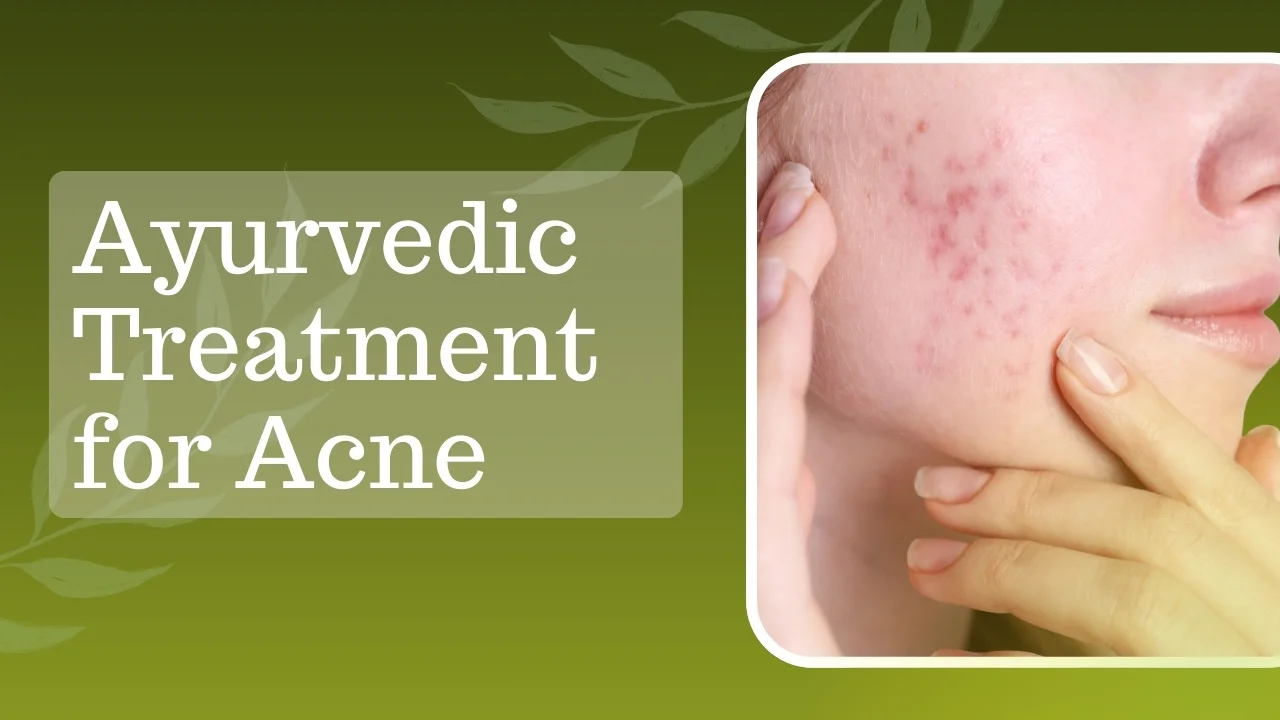
Hormonal acne is a type of acne that develops when changes in hormones increase oil activity in the skin. It is commonly linked to fluctuations in androgens, a group of hormones that can stimulate sebum production in the sebaceous glands.
When excess sebum mixes with dead skin cells, pores become blocked, leading to inflammation and breakouts. This pattern is often seen during puberty, menstrual cycles, stress, and conditions such as PCOS (Polycystic Ovary Syndrome).
Unlike regular acne that may appear randomly, hormonal acne usually follows a pattern. It tends to occur in specific areas of the face and may flare up at certain times of the month. Many people notice deeper, painful pimples that take longer to heal, especially around the lower part of the face.
It most commonly appears on:
- Jawline acne along the lower cheeks
- Chin and around the mouth
- Neck and lower face area
Why Hormonal Imbalance Causes Acne
From a modern medical view, hormonal imbalance affects the skin mainly through androgens. When androgen levels rise or become unstable, they stimulate higher sebum production in the oil glands. Excess oil mixes with dead skin cells and blocks pores, creating an environment where inflammation and breakouts develop.
This is why hormonal acne is common during menstrual cycles, puberty, and in conditions such as PCOS. Insulin resistance can further increase androgen activity, which makes acne more persistent and difficult to manage.
Ayurveda looks at the same process through a different lens. Instead of focusing only on hormones, it explains acne as a result of internal imbalance. When digestion is weak and toxins build up, inflammation rises in the body. Emotional stress and irregular routines can disturb internal balance, which then reflects on the skin.
| Modern Cause | Ayurvedic Interpretation |
|---|---|
| Androgen excess | Pitta aggravation |
| Insulin resistance | Ama accumulation |
| Stress | Vata-Pitta disturbance |
Ayurvedic Perspective on Hormonal Acne
In Ayurveda, hormonal acne is not seen as only a skin problem. It is viewed as a sign of internal imbalance. A Pitta imbalance is often linked to heat, inflammation, and redness on the skin, while excess oil and clogged pores may involve Kapha. When digestion is weak, toxins known as Ama can accumulate in the body and affect the skin’s clarity.
Instead of targeting pimples alone, Ayurveda follows a root-cause approach. The aim is to balance digestion, regulate lifestyle, and calm internal disturbances so the skin improves gradually. This is why treatment focuses on overall harmony rather than quick surface fixes.
Key concepts include:
- Pitta dosha
- Kapha dosha
- Ama
- Holistic healing approach
Stepwise Ayurvedic Treatment Framework
Step 1 – Medical Evaluation & Red Flags
- Severe cystic acne that is painful or leaves scars
- Irregular periods or missed cycles
- Rapid weight gain without clear reason
- Excessive facial hair along the chin or jawline
- Thyroid symptoms such as fatigue, hair thinning, or unexplained weight changes
These signs may indicate deeper hormonal imbalance. Medical evaluation helps rule out conditions like PCOS or thyroid disorders before starting Ayurvedic management.
Step 2 – Dietary Correction
| Fresh vegetables and seasonal fruits | Refined sugar and sweets |
| Whole grains with low glycemic load | Deep-fried and processed foods |
| Warm, simple home-cooked meals | Excess dairy and packaged snacks |
- Follow a Pitta-pacifying diet to reduce internal heat
- Prefer low glycemic foods to support insulin balance
- Focus on anti-inflammatory foods that support digestion
Step 3 – Lifestyle Regulation
- Daily stress management through structured routine
- Yoga to support circulation and hormonal rhythm
- Meditation for emotional balance
- Proper sleep hygiene with consistent sleep timing
- Pranayama to calm nervous system activity
Step 4 – Herbal Support (Under Supervision)
- Neem
- Turmeric
- Triphala
- Vitex
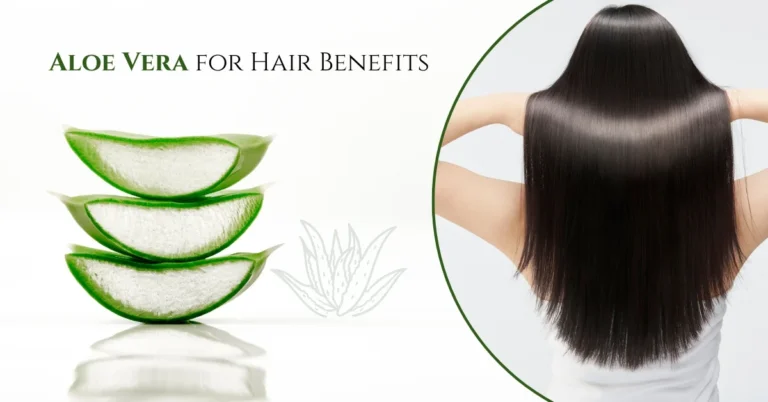
- Aloe Vera
Herbal support should be selected according to individual constitution and symptom pattern. These herbs are traditionally used for inflammation, digestion, and hormonal balance. However, they should not replace medical care, and supervision is important to avoid misuse or interaction with other treatments.
Step 5 – Topical Care & Daily Routine
- Gentle cleansing without harsh chemicals
- Sandalwood paste for cooling effect
- Rose water as a mild toner
- Non-comedogenic oil use to avoid pore blockage
Ayurvedic Treatment for PCOS-Related Acne
PCOS-related acne is often linked to deeper hormonal imbalance, especially increased androgens and metabolic disturbance. In many cases, breakouts appear around the jawline and lower face and may not respond well to basic skincare alone. Ayurveda approaches this by focusing on digestion, metabolic balance, and gradual hormone support rather than treating pimples in isolation.
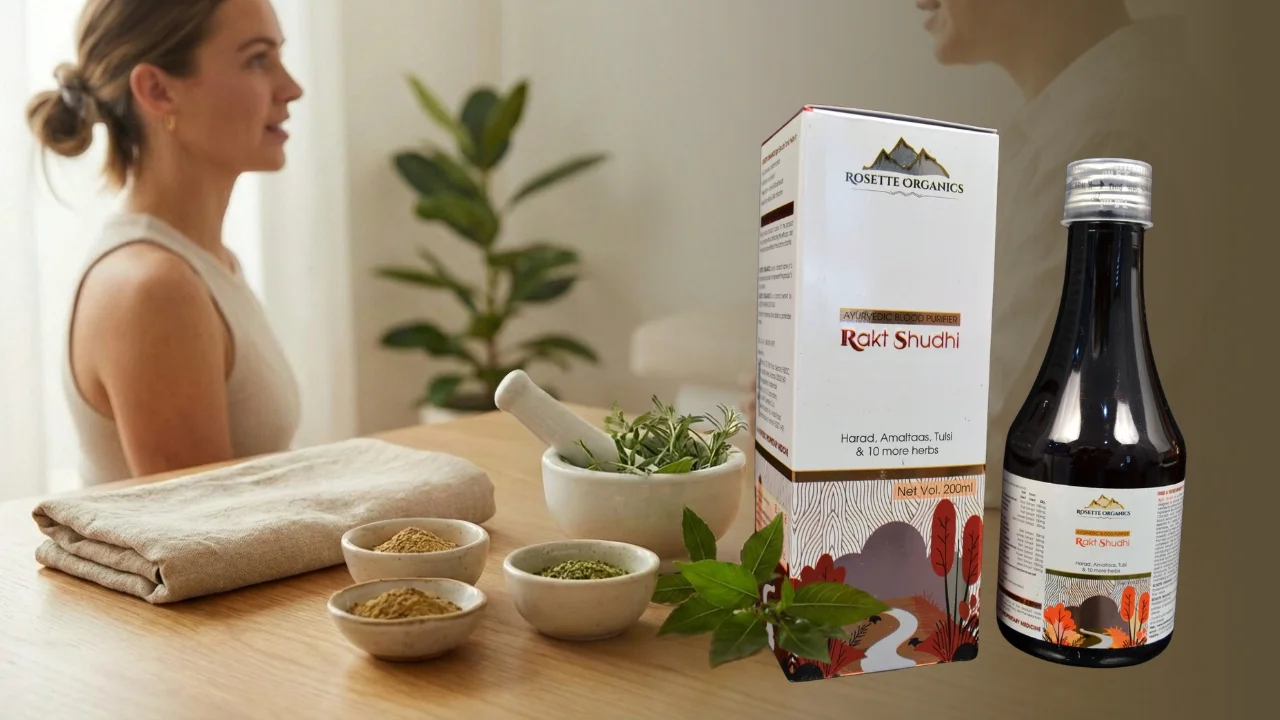
The goal is to improve internal regulation while supporting the skin externally. Dietary discipline, lifestyle correction, and supervised herbal use are usually combined for long-term stability.
Key areas of focus include:
- Insulin resistance
- Menstrual irregularity
- Weight management
- Hormone regulation
How Long Does Ayurvedic Treatment Take to Work?
Ayurvedic treatment for hormonal acne does not work overnight because it focuses on internal balance rather than surface suppression.
In many cases, visible skin improvement may begin within an 8–12 week improvement window, especially when diet, sleep, and stress are addressed consistently. However, results depend on the severity of hormonal imbalance, presence of PCOS, insulin resistance, and adherence to routine.
Ayurveda emphasizes long-term lifestyle correction instead of quick relief. Hormonal patterns, menstrual regularity, and metabolic balance may take several months to stabilize.
It is important to maintain realistic expectations and understand that gradual improvement is more sustainable than sudden changes. Consistency, monitoring, and professional guidance play a key role in achieving stable results.
FAQs
Q1: Can Ayurveda cure hormonal acne permanently?
Ans: Ayurveda focuses on balancing internal causes rather than offering an instant cure. Long-term control is possible with consistent lifestyle and dietary discipline.
Q2: Which dosha causes jawline acne?
Ans: Jawline acne is commonly linked to Pitta imbalance with involvement of Kapha and excess oil production. Hormonal fluctuation often aggravates this pattern.
Q3: Is Ayurvedic treatment safe for PCOS acne?
Ans: It can be safe when guided by a qualified practitioner and combined with proper medical evaluation. Self-medication or unsupervised herbs should be avoided.
Q4: How long does it take to see results?
Ans: Visible changes may begin within 8–12 weeks, depending on severity and adherence. Hormonal balance usually requires sustained effort.
Q5: Can men use Ayurvedic treatment?
Ans: Yes, men with androgen-related acne can follow Ayurvedic guidance. Treatment should still be personalized to individual constitution and symptoms.