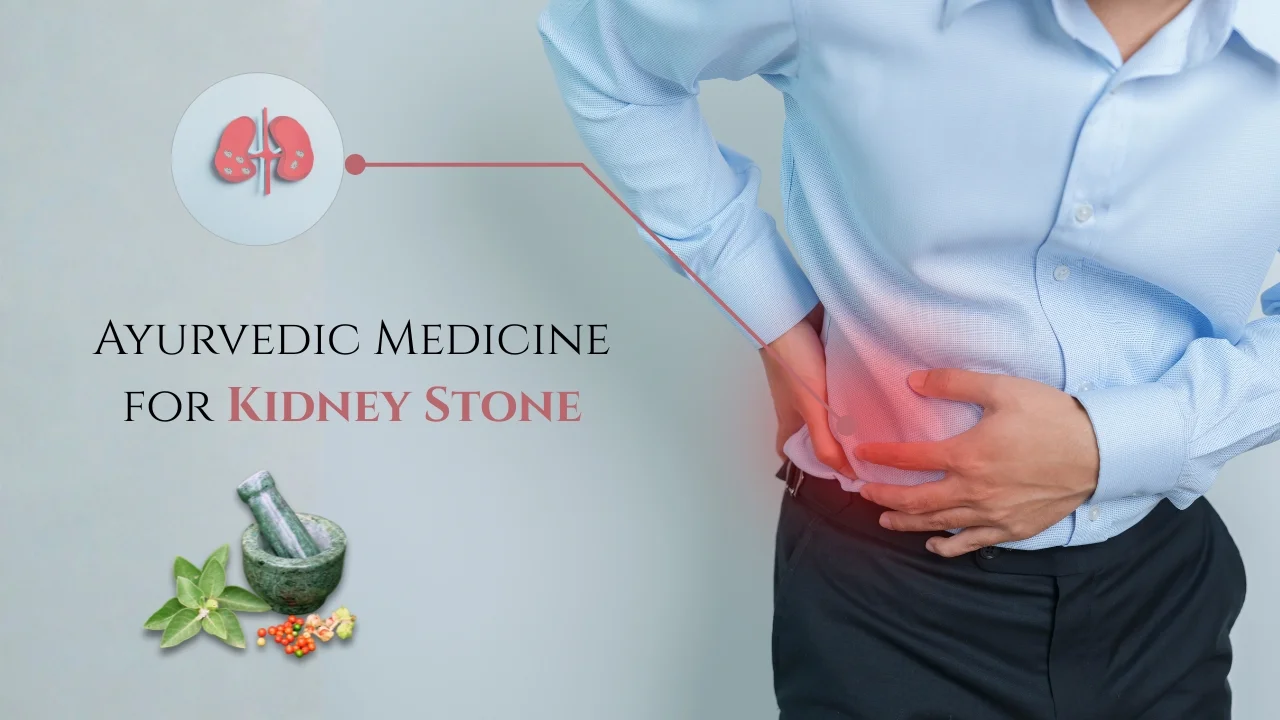
What Are Kidney Stones? Modern Science vs Ayurveda
Kidney Stones in Modern Medicine (Nephrolithiasis)
In modern medicine, kidney stones are called Nephrolithiasis. They form when minerals and salts in urine become too concentrated and start sticking together. Over time, these crystals grow and turn into stones. The most common types are calcium-oxalate stones, followed by uric acid stones and phosphate stones. Which type forms depends on urine chemistry, hydration level, diet, and metabolism.
One major factor behind stone formation is low urine volume, which happens when the body does not get enough water or loses too much fluid. Another important but often ignored factor is citrate level in urine. Citrate naturally prevents minerals from sticking together.
When citrate levels are low, a condition called Hypocitraturia, the risk of stone formation increases sharply. Even if mineral levels are normal, low citrate allows crystals to grow freely, which is why some people develop stones despite following basic diet advice.
Kidney Stones in Ayurveda (Vrikkashmari)
Ayurveda explains kidney stones as Vrikkashmari, where Ashmari means stone formation due to internal imbalance. According to Ayurveda, stones do not form suddenly. They develop when digestion becomes weak and produces Ama, a sticky metabolic waste. This Ama combines with bodily minerals and fluids, leading to blockage in the Mutravaha Srotas (urinary channels).
Dosha imbalance also plays a major role. Vata, Pitta, or Kapha dominance changes the nature of stone formation. Because of this, Ayurveda does not focus only on stone size or removal. Instead, it aims at metabolic correction, improving digestion, clearing channels, and restoring balance so stones dissolve naturally and do not return.
Symptoms & Warning Signs of Kidney Stones
Early Symptoms Often Ignored
Kidney stones usually begin with mild signs that many people ignore or confuse with routine problems. One of the earliest symptoms is flank discomfort, which is a dull or pulling pain on one side of the lower back or abdomen. It may come and go, so people often dismiss it as muscle strain or gas.
Another common early sign is burning during urination. This happens when small crystals start irritating the urinary tract, but since urine flow is still possible, the problem is not taken seriously.
A third warning sign is reduced urine flow. Urine may come in small amounts or feel incomplete even after using the toilet. In Ayurveda, this stage indicates early blockage in the Mutravaha Srotas and accumulation of waste, but medically it is often ignored until pain becomes severe.
Advanced & Emergency Symptoms
As stones grow or move, symptoms become intense and require immediate attention. Hematuria, or blood in urine, appears when stones scrape the inner lining of the urinary tract. Urine may look pink, red, or brown. Severe radiating pain is another key symptom, often starting in the back and moving toward the abdomen or groin. This pain is sharp, sudden, and comes in waves.
In some cases, stones block urine flow and cause infection. This leads to fever, chills, and burning pain, which signals infection risk and needs urgent medical care.
The Agni–Kidney Axis (Mandagni as the Root Cause of Stone Formation)
What Is Mandagni and Why It Matters
In Ayurveda, Agni means digestive fire. When this fire is weak, the condition is called Mandagni. Weak digestion means food is not fully broken down and nutrients are not properly absorbed. As a result, sticky metabolic waste called Ama starts forming inside the body.
This Ama does not stay limited to the stomach or intestines. Over time, it circulates with fluids and mixes with minerals like calcium and uric acid. This leads to mineral bioaccumulation, which puts constant stress on the kidneys and slowly creates the base for stone formation.
How Mandagni Leads to Vrikkashmari
Mandagni usually develops because of daily lifestyle habits. Irregular meals confuse the digestive system and reduce digestive strength. Heavy night eating is another major trigger, as digestion naturally slows down at night, causing food to remain undigested.
Stress-eating and suppressed hunger further weaken Agni by disturbing natural digestive signals. When this pattern continues, Ama increases, urinary channels become sluggish, and conditions become favorable for Vrikkashmari (kidney stone formation). Stones are not sudden events; they are the final stage of long-term digestive imbalance.
Why Diet Changes Alone Fail Without Agni Repair
Many people change diet, increase water intake, or even remove stones surgically, yet stones keep coming back. This happens because Agni is never corrected. Without fixing digestion, Ama formation continues silently. Ayurveda always restores Agni first, then introduces herbs, because proper digestion is the foundation for long-term stone prevention.
Dosha-Specific Stone Formation
Dosha-Specific Stone Comparison Table
Ayurveda explains that kidney stones do not form the same way in every person. The dominant Dosha in the body decides the type of stone, its behavior, and the right treatment approach. That is why understanding Dosha involvement is critical for long-term relief.
| Dosha | Stone Tendency | Dominant Cause | Key Ayurvedic Focus |
|---|---|---|---|
| Vata | Uric acid | Dryness, poor digestion | Warmth, lubrication |
| Pitta | Calcium-oxalate | Heat, acidity | Cooling, citrate |
| Kapha | Phosphate | Sluggish metabolism | Stimulation, lightness |
In Vata-type stones, dryness and weak digestion lead to concentrated urine and uric acid buildup. Pitta-type stones form due to excess heat and acidity, making calcium-oxalate stones more common. Kapha-type stones develop slowly because of sluggish metabolism and heavy internal environment, leading to phosphate stones.
Why One-Size-Fits-All Stone Treatment Fails
Most kidney stone treatments follow the same advice for everyone—drink more water, avoid certain foods, or take a single medicine. This approach often fails because it ignores Dosha differences. A cooling remedy that helps a Pitta person may worsen digestion in a Vata person.
Strong diuretics may help Kapha stones but increase dryness in Vata types. Ayurveda personalizes treatment by correcting the dominant Dosha first. Without this personalization, stones may reduce temporarily but the internal imbalance remains, leading to repeat stone formation.
Ayurvedic Herbs Proven for Kidney Stone Dissolution & Flushing
Pashanabheda – The Classical Lithontriptic Herb
Pashanabheda is one of the most respected herbs in Ayurveda for kidney stones. Its name literally means “stone breaker,” which explains its primary action. This herb helps weaken the structure of stones and supports their gradual breakdown into smaller particles.
Traditional Ayurvedic texts mention Pashanabheda for conditions related to Ashmari because it works at the root level, not just on symptoms. Instead of forcing stones out suddenly, it supports a slow and controlled dissolution process, reducing irritation and pain.
Varun – Renal Detox & Channel Cleaner
Varun is known for its cleansing effect on the urinary system. It helps clear blockages in the Mutravaha Srotas, the channels responsible for urine formation and flow. By improving channel function, Varun allows waste materials and mineral deposits to move out smoothly.
Regular use helps reduce the chances of stone recurrence because it prevents buildup before stones can form again. Varun is especially useful for long-term kidney health, not just active stones.
Gokhru – Natural Diuretic & Kidney Tonic
Gokhru works mainly as a gentle natural diuretic. It increases urine flow without causing dehydration or weakness. This flushing action helps wash out small stone particles and crystals before they grow larger.
Along with flushing, Gokhru also supports kidney tissue strength and recovery, making it useful both during active stone management and after stone removal. Its balancing nature makes it safe for longer use in stone-prone individuals.
Core Ayurvedic Treatment Strategy (Product-Integrated)
No Stone Syrup – Dissution & Flushing Formula
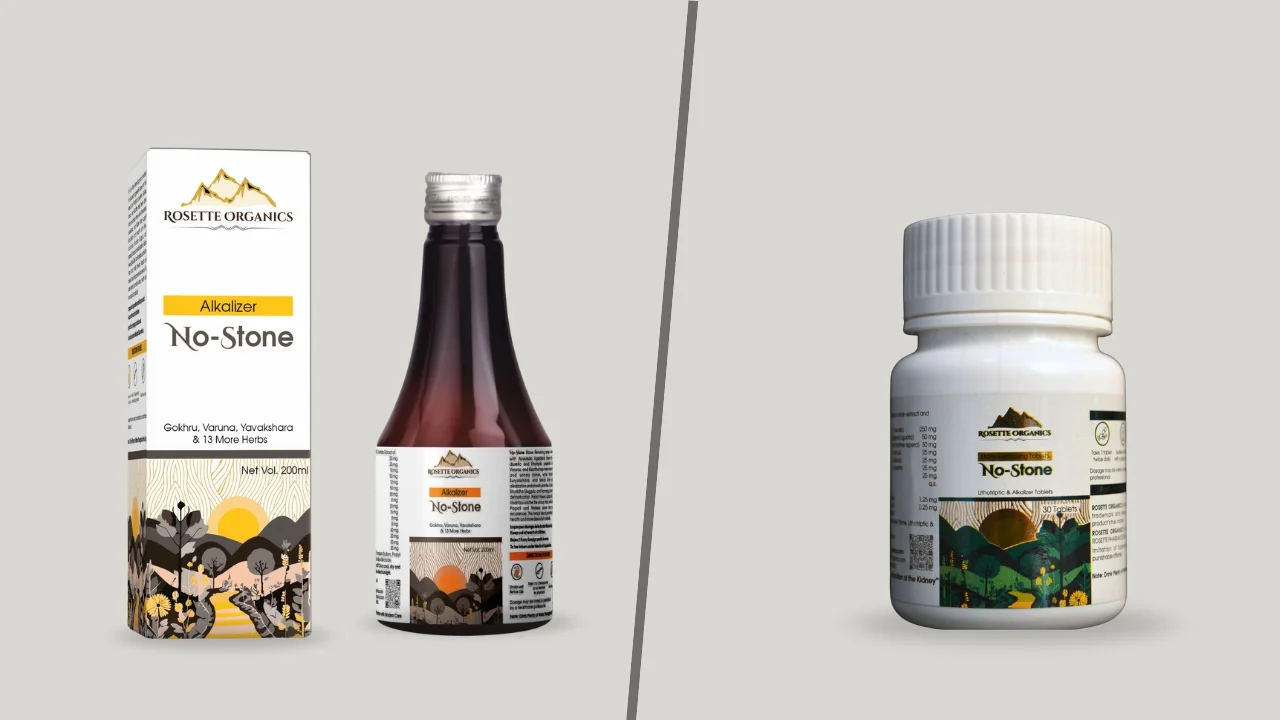
No Stone Syrup is designed for the active phase of kidney stone management. Its primary role is to support stone breaking, where herbs help weaken the stone structure gradually instead of forcing sudden movement. At the same time, it works as a urine flow enhancer, helping the body flush out loosened stone particles smoothly. This balanced action reduces pressure inside the urinary tract and lowers the risk of sharp pain.
Another important benefit is reducing burning and irritation during urination. As stones or crystals move, they often irritate the urinary lining. No Stone Syrup supports cooling and soothing of the tract, making the passing process more comfortable and controlled.
No Stone Tablets – Long-Term Recurrence Prevention
No Stone Tablets focus on what happens after stones dissolve or pass out. Their main role is metabolic correction, which means correcting the internal imbalance that leads to repeated stone formation. These tablets help normalize digestion, mineral handling, and waste removal so new stones do not form again.
They also support strengthening of kidney tissue, helping the kidneys recover from past stress caused by stones or procedures. Because of this, No Stone Tablets are suitable for post-stone patients who want long-term protection and stability, not just short-term relief.
Nutrition for Kidney Stones – Myths vs Reality
Nutrition advice for kidney stones is often confusing because many myths are repeated without explaining how the body actually works. Ayurveda and modern science agree that extreme food restriction usually creates more imbalance instead of solving the problem. What matters is how food is consumed, not just what is consumed.
| Common Myth | Reality |
|---|---|
| Avoid calcium | 1000–1200 mg calcium helps bind oxalate in the gut and prevents stone formation |
| Avoid all vegetables | Cooking and proper food pairing reduces oxalate absorption |
| Lemon water unlimited | Excess vitamin C converts into oxalate and increases stone risk |
| Any water works | Timing and temperature of water strongly affect urine concentration |
Avoiding calcium completely is one of the biggest mistakes. When calcium intake is too low, oxalate absorption increases, raising the risk of calcium-oxalate stones. Similarly, avoiding all vegetables weakens nutrition and digestion. Cooking vegetables and combining them correctly reduces their stone-forming effect.
Lemon water is helpful, but unlimited intake or high vitamin C supplementation can backfire by increasing oxalate levels. Hydration is also not just about quantity. Drinking water at the right time and avoiding extremes in temperature helps maintain healthy urine flow and prevents crystal formation.
The Calcium Paradox – Why Calcium Restriction Increases Stone Risk
How Low Calcium Increases Oxalate Absorption
Avoiding calcium is a common mistake in kidney stone care. Calcium actually protects the body by binding oxalate in the gut and preventing it from reaching the kidneys. When calcium intake is too low, oxalate gets absorbed into the blood and later combines with calcium in urine, forming stones.
Because of this, low calcium intake can raise kidney stone risk by 30–50%, especially in calcium-oxalate stones. The issue is not calcium itself, but where oxalate binding happens.
How to Safely Consume Calcium in Stone Patients
Calcium should be taken with meals, not avoided. This meal-pairing approach allows calcium to bind oxalate during digestion. Both dairy foods like milk or curd and non-dairy sources such as sesame seeds or fortified foods can be safely included in balanced amounts. This supports kidney health without increasing stone risk.
Lifestyle & Behavioral Triggers Most Patients Miss
Urine Suppression & Office Lifestyle
Many kidney stone patients unknowingly create risk through daily habits. One common issue is holding urine for long periods, especially during office hours or travel. When urine is not passed regularly, it becomes highly concentrated, allowing minerals to settle and form crystals.
From an Ayurvedic view, this habit increases Vata aggravation, which promotes dryness and blockage in the urinary channels. Over time, this combination creates ideal conditions for stone formation and recurrence.
Stress, Cortisol & Hypocitraturia
Chronic stress affects kidney health more than most people realize. Stress raises cortisol levels in the body, which can reduce urinary citrate, a natural inhibitor of stone formation. Low citrate levels, known as Hypocitraturia, make it easier for minerals to stick together. This explains why stones often return during stressful periods, even when diet and hydration seem controlled.
Sleep Timing & Night-Time Kidney Stress
Irregular sleep timing also increases stone risk. Late nights and poor-quality sleep disturb the body’s natural repair cycle. During proper sleep, kidneys balance fluids and waste. When sleep is disrupted, urine concentration and uric acid levels can rise overnight, adding silent stress to the kidneys and increasing the chance of stone formation.
Seasonal Kidney Care Rituals (Ayurvedic Preventive Protocols)
Summer (Pitta Season) – High Stone Risk Protocol
Summer increases kidney stone risk because heat causes dehydration and raises internal acidity. In Ayurveda, this is a Pitta-dominant season, where excess heat dries body fluids and concentrates urine. Using cooling herbs helps calm heat and supports smoother urine flow.
Hydration should not be random; proper timing matters. Drinking water regularly through the day, especially in the morning and before heat exposure, helps prevent urine from becoming concentrated and reduces crystal formation.
Monsoon (Kapha Season) – Digestive Reset
During the monsoon, digestion naturally becomes sluggish. This Kapha-dominant phase encourages heaviness and poor metabolism, which increases Ama formation. Lighter meals and digestive-supporting habits help reset digestion and prevent waste buildup that can later affect kidney function.
Winter (Vata Season) – Grounding & Lubrication
Winter aggravates Vata, leading to dryness and poor circulation. This can make urine more concentrated and slow stone movement. Grounding routines, warm foods, and proper lubrication support kidney channels and help maintain smooth elimination during colder months.
Conclusion
Kidney stones are not just a kidney problem but a result of long-term internal imbalance. Ayurveda works by correcting digestion, metabolism, and daily habits while supporting safe stone dissolution and flushing. When diet, lifestyle, seasons, and Dosha balance are addressed together, the risk of recurrence reduces naturally. This root-cause approach helps maintain kidney health beyond temporary relief or one-time treatment.
FAQs
Q1: Can Ayurvedic medicine dissolve kidney stones naturally?
Ans: Yes, Ayurvedic medicine helps weaken and dissolve stones gradually using lithontriptic herbs, while also improving urine flow and metabolism to support natural passage.
Q2: How long does Ayurvedic treatment take?
Ans: The duration depends on stone size, type, and digestion, but consistent treatment usually works over weeks rather than days.
Q3: Can stones come back after surgery?
Ans: Yes, surgery removes stones but does not correct digestion or metabolism, so recurrence is common if root causes are not addressed.
Q4: Is No Stone Syrup safe after lithotripsy?
Ans: Yes, it is generally used to support gentle flushing, reduce irritation, and help clear remaining stone fragments after the procedure.