Many people search for karela jamun juice benefits because this combination is often linked with traditional diets and modern wellness trends. In many households, karela and jamun have been used for years as part of everyday food habits, not as medicine but as natural support for the body.
With the rise of health-focused content online, this traditional mixture is now promoted as a wellness drink. Social media, blogs, and product descriptions often highlight multiple benefits, which increases curiosity but also creates confusion. Some claims sound convincing, while others are exaggerated or unclear.
This article aims to clear that confusion. It explains karela jamun juice in a simple, fact-based way, without overstatements or unrealistic promises, so readers can understand what is supported and what should be viewed with caution.
What Is Karela Jamun Juice?
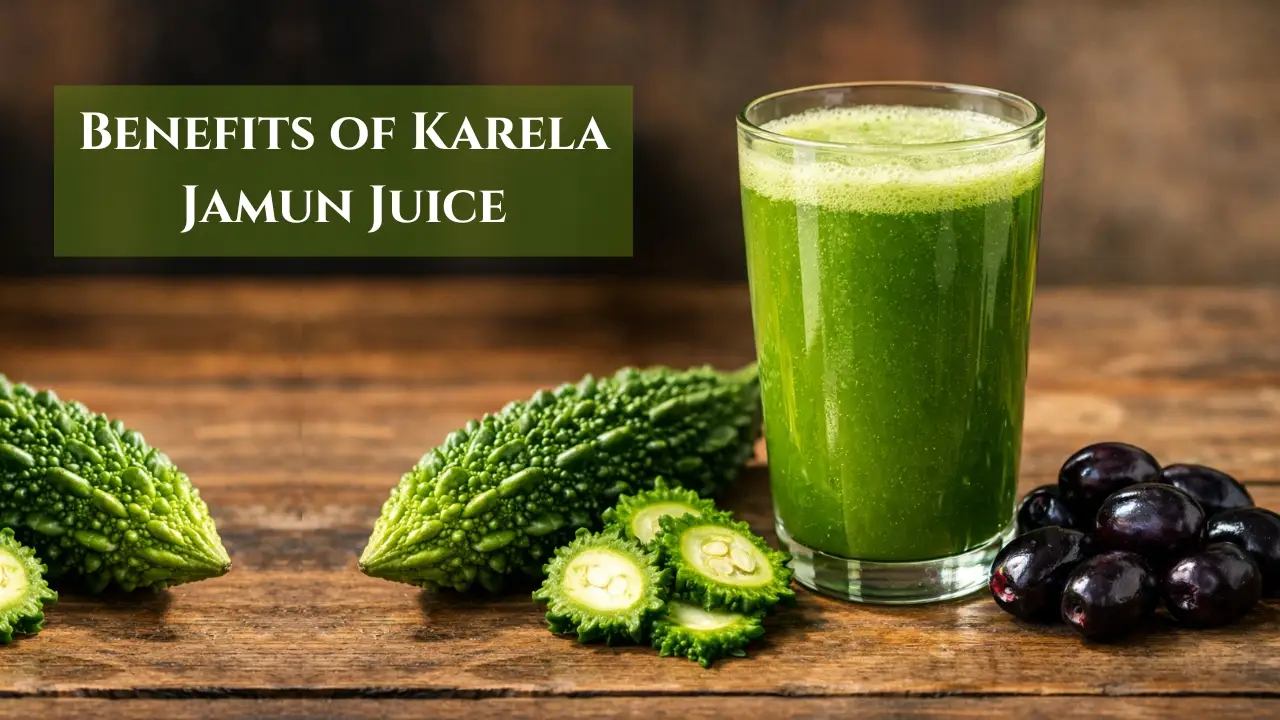
Karela jamun juice is a natural blend made from karela, also known as bitter gourd, and jamun, commonly called java plum. Karela is a bitter vegetable that has been part of traditional Indian diets for a long time. Because of its strong taste, it is usually consumed in small amounts as food rather than for enjoyment. Jamun, on the other hand, is a seasonal fruit with a mildly sweet and astringent flavor. It is often eaten fresh or used in drinks during summer.
These two are combined mainly to balance taste and dietary properties. Jamun helps reduce the extreme bitterness of karela, making the juice easier to consume. Traditionally, this combination was used as a simple dietary choice to include bitter and plant-based foods in daily meals.
It is important to note that karela jamun juice was not viewed as a treatment. It was consumed as part of regular eating habits, not as a cure or medical solution.
Nutritional Profile of Karela and Jamun
Karela and jamun are valued mainly for their natural nutrients rather than any single strong effect. Karela is low in calories and contains a good amount of dietary fiber, which supports regular digestion and helps people feel full for longer. It also provides vitamin C and several natural plant compounds that are commonly found in vegetables with a bitter taste.
Jamun adds a different nutritional layer to this combination. It is known for its antioxidant content, which comes from its deep color and natural plant pigments. Jamun is also considered low on the glycemic scale compared to many fruits, which is why it is often preferred in balanced diets that focus on controlled sugar intake.
When used together, karela and jamun offer a mix of fiber, antioxidants, and plant-based nutrients. The nutritional logic behind this combination is simple: one supports digestion and satiety, while the other contributes protective compounds. This balance is why the juice is often included as part of everyday dietary routines, not as a specialized health product.
Karela Jamun Juice Benefits
Karela jamun juice is often discussed for its supportive role in everyday nutrition. The benefits linked to this combination are mostly related to diet and general wellness, not medical treatment.

Blood Sugar Support
- May help support healthy blood sugar levels when included in a balanced diet
- Karela provides plant compounds, while jamun has a low glycemic nature
- Supportive use only, not a cure or treatment
Digestive Comfort and Satiety
- Karela contains fiber that supports digestion
- Bitter compounds can stimulate digestive activity
- May help with fullness and appetite control
- Overuse can lead to stomach discomfort, so moderation is important
Antioxidant Support
- Jamun is rich in natural polyphenols and antioxidants
- Helps support overall cellular health
- Fits into general wellness, not quick-result claims
How Karela Jamun Juice Fits Into a Balanced Diet
Karela jamun juice is best understood as a lifestyle-based food choice, not a health solution. In traditional and modern diets, it is usually included alongside regular meals, fruits, vegetables, grains, and other everyday foods. Its role is supportive, adding variety and plant-based nutrients to the diet rather than targeting a specific condition.
When seen as part of a balanced diet, this juice works like other natural foods that people choose for personal preference or routine wellness. It does not replace meals, medicines, or professional advice. The focus remains on overall eating habits, hydration, and consistency in food choices.
There is no fixed dosage, no recommended timing, and no prescription linked to karela jamun juice. People who choose to include it generally do so based on taste tolerance and dietary preference, keeping moderation and balance in mind rather than following strict rules.
Conclusion
Karela jamun juice is best seen as a traditional dietary option that fits into a balanced lifestyle rather than a health solution. Its value comes from natural nutrients and general dietary support, not from exaggerated claims or medical promises. Understanding this helps readers make informed, realistic choices without expecting quick or guaranteed results.
FAQs
Q1: Is karela jamun juice safe for daily consumption?
Ans: Karela jamun juice is a dietary choice, not essential for daily use. Some people may need to be cautious based on their health condition.
Q2: Can karela jamun juice cure diabetes?
Ans: No, it does not cure diabetes. It may only support healthy eating habits alongside medical care.
Q3: Why is karela jamun juice linked to blood sugar control?
Ans: This link comes from its plant compounds and low glycemic nature, but the effect is supportive, not therapeutic.
Q4:Are there any side effects of karela jamun juice?
Ans: Overuse may cause stomach discomfort or low blood sugar symptoms in some people. Moderation is important.
Q5: Who should avoid karela jamun juice?
Ans: Pregnant women, children, and people on blood sugar medication should avoid it or consult a professional first.